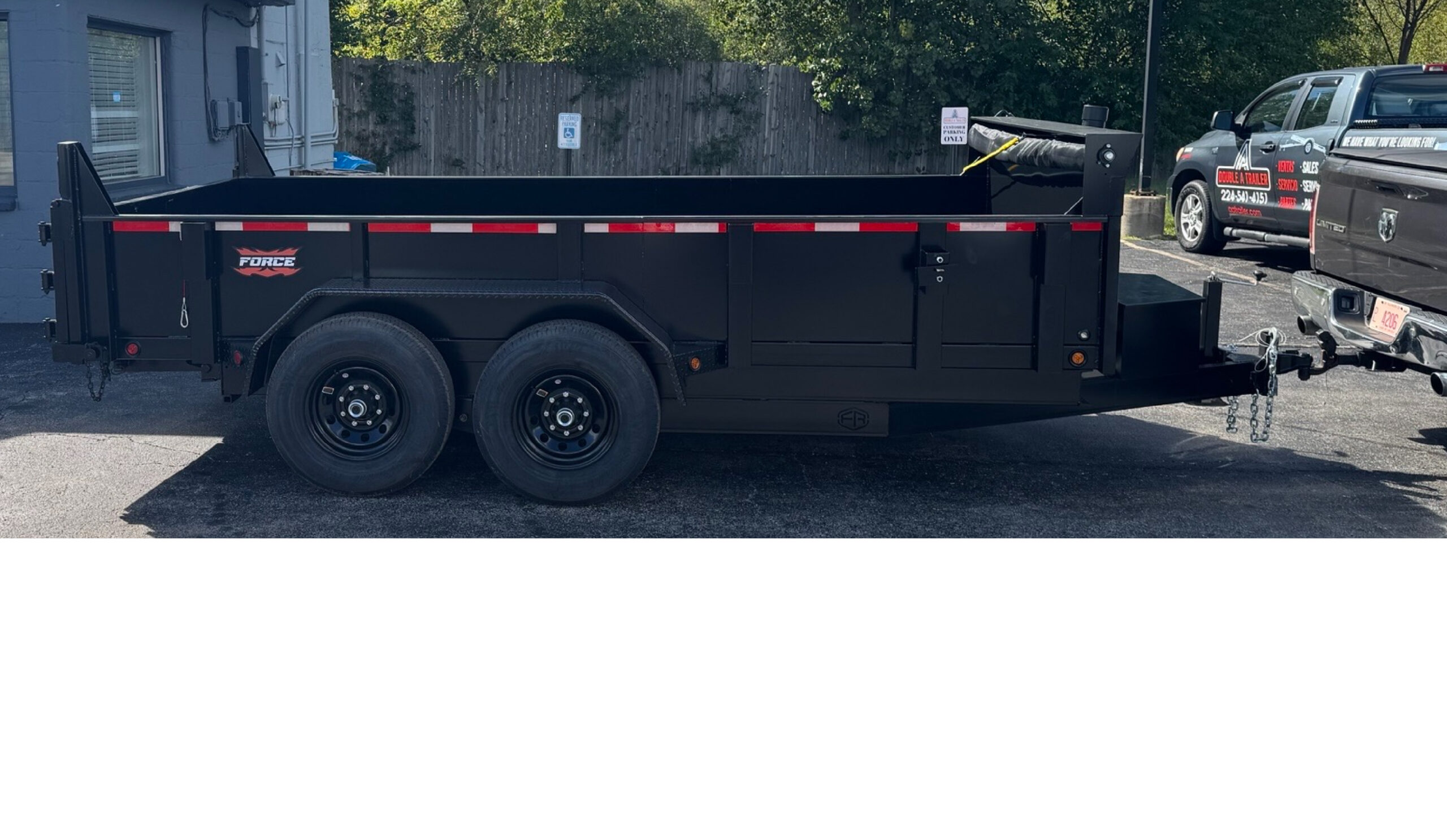
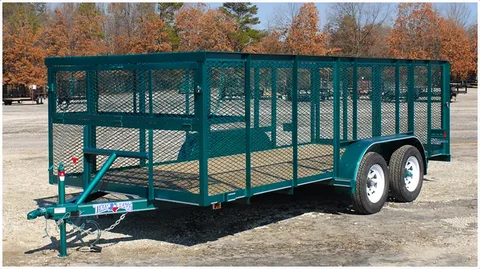
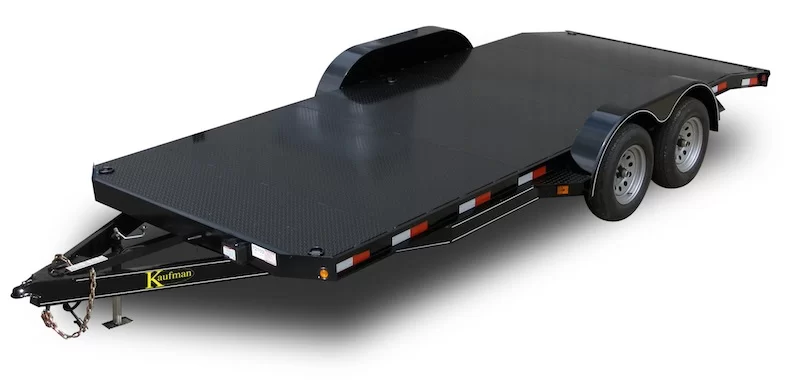
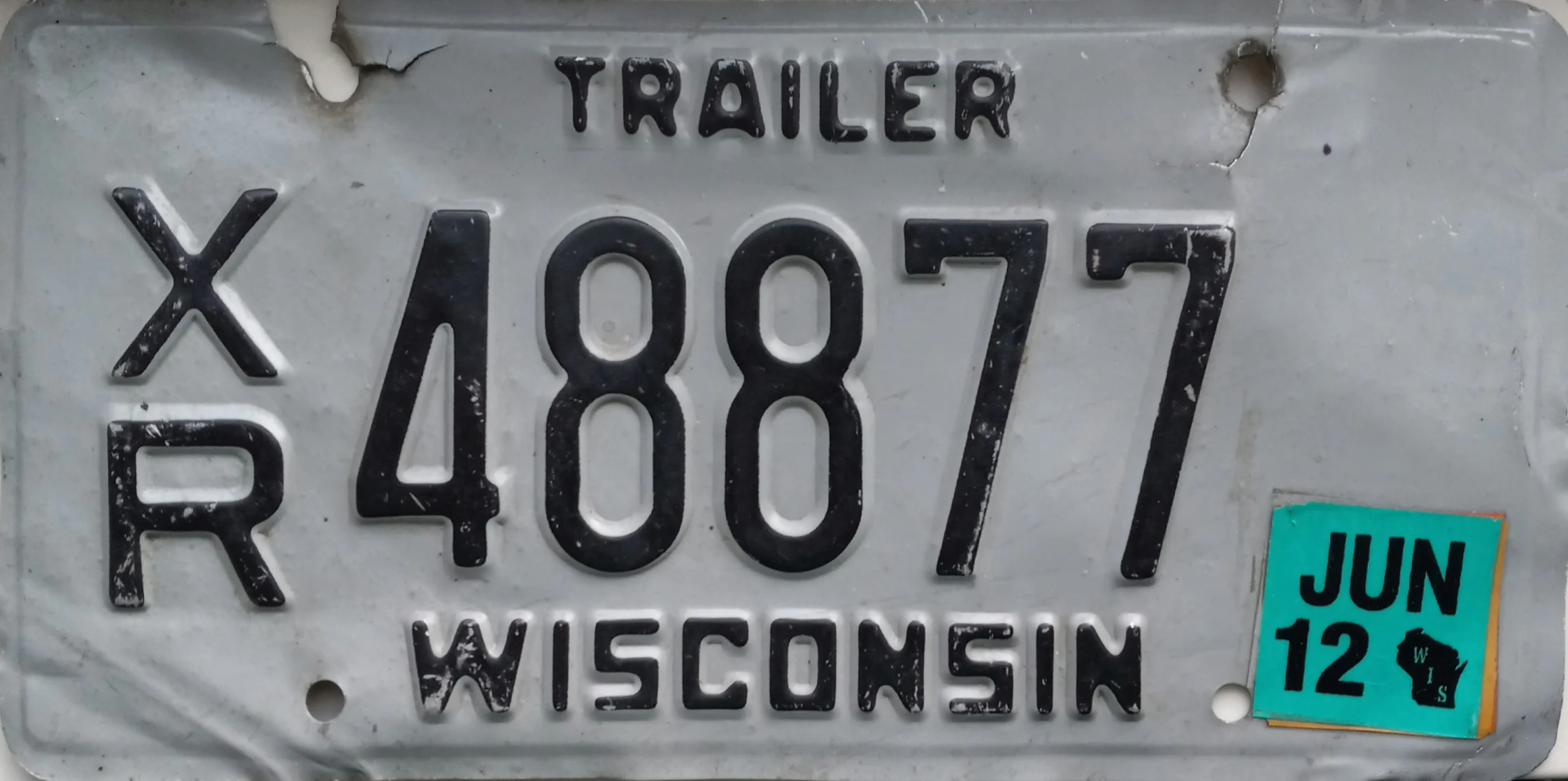
One of the most asked questions among trailer owners: Do trailers need license plates?
Yes, most trailers in the U.S. do need license plates, but the rules depend on your state, your trailer type, and how you’re using it. Something that’s totally fine in Illinois could get you pulled over in Indiana or Wisconsin.
And it doesn’t matter if you’re hauling tools, moving the tractor, or taking your boat out for a weekend. If you’re missing a plate or using the wrong on can mean fines, registration headaches, or even getting pulled over halfway through your trip.
That’s why in this guide, we’re walking you through the trailer plate laws for 2025: how to register your trailer properly, the documents you’ll need in hand, and what to expect if you’re crossing state lines.
So… Do Trailers Need License Plates or Not?
In the U.S., trailers are treated like vehicles when it comes to road use. That means if your trailer is touching a public road, it almost always needs to be registered, titled, and tagged — just like your car.
But the reason this gets confusing is because it’s not a federal rule. Each state sets its own trailer license plate laws and the details can get murky.
The type of trailer you’re towing matters too. A utility trailer used for landscaping gear isn’t treated the same as a travel trailer with a bed and kitchen. And a farm trailer that only drives across fields might not need a plate at all.
So let’s break it down clearly, one state at a time.
| State | Plate Required for Most Trailers? | Temporary Tags Available? | Farm-Use Exemption? |
| Illinois | Yes | 90-day permit | ✅ CFV options |
| Indiana | Yes | 30-day permit | ✅ Limited |
| Wisconsin | Yes | Short-term available | ✅ If off highway |
| California | Yes | Yes | ❌ Rare |
| Texas | Yes | Yes | ✅ Strong farm use laws |
| Florida | Yes | Yes | ❌ Limited |
| New York | Yes | Transit tags allowed | ❌ Not common |
| Ohio | Yes | Yes | ✅ Some farm exemptions |
| Michigan | Yes | Yes | ❌ Rare |
| Pennsylvania | Yes | 60-day permit | ❌ Strict |
| Arizona | Yes | Yes | ✅ Agricultural tags |
| Georgia | Yes | Yes | ✅ For off-road use |
Types of Trailers That Require Plates
Most people don’t realize that not all trailers are treated the same. Here’s a quick look at the main types, and how plate laws typically apply:
Utility Trailers
These are the trailers you use for tools, furniture, yard work, or general hauling. They almost always require utility trailer plates, and in some states, even a separate registration category. You’ll need a utility trailer license tag and proper documentation, including proof of ownership and possibly a weight certificate.
Travel Trailers
If it has living space like a camper or RV trailer, you can bet it needs a plate. Most states treat these similarly to vehicles when it comes to travel trailer license plate requirements. Some states in U.S may also assess property taxes on these trailers because they’re considered livable space.
Farm Trailers
Some farm-use trailers are exempt from plate laws if they’re only driven on private land or are designated as Covered Farm Vehicles (CFV). Others require farm trailer license plates with reduced or specialty fees.
Homemade Trailers
If you’ve built your trailer from scratch or converted it yourself, you’ll have to go through a homemade trailer registration process. This includes a VIN assignment, title application, and in most cases, a DMV inspection.
Illinois Trailer Plate Laws (2025)
If you’re in Illinois, the answer is simple: yes, trailers need license plates. Regardless of the trailer type, if you’re using it on public roads, you’ll need to register and display a plate.
The process includes:
- Title and Registration for trailers: You’ll need to file for both unless your trailer qualifies for a special exemption (like very light trailers under 3,000 lbs).
- Trailer VIN Registration: The trailer must have a clear, readable VIN. If not, you’ll need a DMV inspection.
- Temporary Trailer Plate Rules: Illinois allows 90-day temporary registration permits for new or recently purchased trailers.
- Farm Trailers: If you qualify for a Covered Farm Vehicle (CFV) tag, you may be eligible for reduced fees or exemptions, but you still need a plate.
Moreover, Illinois requires rear placement only for trailer plates, and the plate must be clearly visible and illuminated at night.
Indiana Trailer Plate Laws (2025)
Indiana offers slightly more flexibility, but the core requirement remains: if your trailer hits public roads, it needs to be registered and plated.
Here’s what you need to know:
- Permanent Trailer Registration: Indiana allows one-time registration for personal-use trailers. This is great if you don’t want to deal with annual renewals.
- Commercial or Farm Use: If your trailer is used for business or agricultural purposes, different weight-based rules and fees apply.
- Temporary Plates: 30-day permits are available if you need time to process your full registration.
- Farm Trailer License Plate Requirements: Indiana offers limited exemptions for trailers that are strictly used off-road on private farm property.
Wisconsin Trailer Plate Laws (2025)
Wisconsin has clear rules: Most trailers need plates, and they must be displayed on the rear. No front plate is required. Registration is handled by WisDOT and often depends on weight limits for trailer plates and the trailer’s intended use.
Key rules include:
- Weight-Based Fees: Your registration cost is based on how much your trailer weighs. Heavier trailers pay more.
- Permanent Trailer Registration: Available for trailers under 3,000 lbs. Pay once and skip yearly renewals.
- Farm-Use Trailer Exemption: Only applies to trailers used exclusively for farm purposes and not driven on highways.
- Temporary Trailer Tags: Offered when purchasing a new or used trailer before full registration is processed.
- Title and Inspection: Homemade trailers will need a full trailer titling process and an inspection if they don’t have a factory VIN.
Trailer Registration Requirements: What You’ll Need
Before you can legally tow your trailer across any state lines, there are a few things you’ll need to have in place. Here’s what the DMV trailer requirements usually include across all states of U.S:
Proof of Ownership
You’ll need a Bill of Sale (if it’s used) or the Manufacturer’s Certificate of Origin (MCO) (if it’s new). Make sure it includes the VIN and sale details.
VIN Registration
Your trailer must have a clearly visible VIN stamped on the frame. No VIN? You’ll likely need an inspection or have one assigned by the DMV.
Weight Documentation
If your state calculates fees based on weight, bring a certified weight slip or manufacturer’s spec sheet. Mods or add-ons may require re-weighing.
Application for Title & Plates
You can usually apply online or at a DMV office. Just fill out the form, attach your documents, and submit.
Payment
Fees depends on your trailer type and weight. Some states make it easy with a one-time fee, while others charge you every year. Expect anywhere from $20–$200+, depending on where you live.
Once you’ve registered, don’t forget about the trailer plate renewal process. Which usually happens annually unless you’ve opted for a permanent registration.
Conclusion
If you are still wondering: do trailers need license plates in Wisconsin, Indiana, Illinois? Well, it does. If you’re using it on public roads, even just now and then, it’s got to be registered and plated. The rules might shift slightly between states, but none of them let you skip it.
So before you tow, make sure your trailer’s legal. It takes a few minutes now, and saves you a headache later.
And if you’re not sure where to start or just want someone to make it easy, then Double A Trailer, located in Grayslake, IL, is here to take the stress out of trailer registration. From title and plate services to temporary tags, they’ll help you stay road-ready without the DMV hassle.
Visit our website and get your trailer registered the easy way.
FAQ’s
Do I need a tag for my trailer if I’m only using it occasionally?
Yes, occasional use still counts as public road trailer authorization, which means registration and plates are required.
Can I transfer a trailer plate to another trailer?
In most cases, no. Trailer plates are tied to a specific VIN, you should always check with your DMV.
What happens if I don’t have a trailer plate?
You could face fines, vehicle impoundment, and a lot of paperwork. Worse, insurance likely won’t cover you in the event of an accident.
Do farm trailers really get a pass?
Only sometimes! If your trailer stays off highways and meets all the state’s farm-use trailer exemption criteria. Otherwise, you’re still expected to register.
How much does it cost to get a trailer plate?
It can cost anywhere from around $20 to over $200 depending on the type, size, and weight of your trailer, plus your state’s rules.
Do small utility trailers need plates?
Usually yes! Even small utility trailers often need a plate if you’re driving on public roads.